Team-Based Learning (TBL) is a well-suited teaching methodology for Gen Z, but TBL can only reach its full potential to be engaging when the process is designed to match how students learn today.
Small design tweaks aligned to common Gen Z learning preferences can make TBL sessions smoother, clearer, and more effective. In this article, we’ll use four common Gen Z learning preferences as a practical lens for designing better TBL experiences.
A quick note before we begin: generational labels aren’t a scientific rulebook, and learners are always more diverse than a single category. Treat the ideas below as design signals, not stereotypes. Try them, observe what changes in your classroom, and refine based on student feedback.
Gen Z Learning Preference #1: Tech-enabled, bite-sized, and visual
Many Gen Z learners have grown up with information that’s instantly accessible and presented through digital, visual interfaces. They’re used to scanning, clicking, and getting oriented quickly, not digging through long instructions to figure out what matters.
They tend to engage faster when content is easy to navigate, visually structured, and broken into clear steps. When directions are dense or the task feels ambiguous, attention gets spent on “what are we doing?” instead of the learning itself.
In TBL, this shows up most clearly in how you design pre-work to manage their cognitive load. Keep preparation materials lean and purposeful, especially at the start. Note that students can also be guided to improve their reading stamina. You may consider assigning students with shorter readings in the first few weeks and gradually increase it, rather than assigning a long chapter all at once.
Pair readings with a few guiding questions so students know what to look for and can make sense of the content instead of skimming aimlessly. Well-designed questions help learners focus on key ideas and engage more deeply with texts.
And when possible, offer the same core content in multiple formats (e.g., short videos or podcast-style audio) so students can engage in ways that fit their learning habits. Teaching with various modalities supports their comprehension and overall engagement.
Gen Z Learning Preference #2: Mental well-being and balanced learning
Many Gen Z learners are more open about mental health than older generations, while navigating packed schedules, financial pressures, and constant connectivity.
Gen Z students demonstrate a strong preference for learning that feels purposeful and relevant, with clear connections to real-world outcomes. This underscores the importance of predictable structure and transparent expectations in sustaining their motivation to learn.
In TBL, this is evident in your course’s pacing and transparency. Keep the weekly workflow consistent so students know what to expect. Provide realistic time estimates for preparation and signal when complexity will increase.
Most importantly, explain how pre-work prepares them to perform in readiness assurance processes and application exercises. You could consider sharing our TBL Student Orientation Guide Video with them. When students see preparation as meaningful training, learning feels purposeful rather than overwhelming.
Gen Z Learning Preference #3: Collaborative and social learning opportunities
Gen Z has grown up communicating in networked, social environments. Many value inclusion, shared dialogue, and collective problem-solving. At the same time, some have had fewer opportunities to practice structured, face-to-face disagreement in professional settings.
In learning contexts, they can be highly energized by teamwork and discussion. However, unstructured group work or unmanaged conflict can feel uncomfortable. Clear norms and defined roles help collaboration feel safe rather than chaotic.
Well-designed TBL channels this collaborative energy productively. Assigning and rotating team roles distributes participation and accountability. Structured reporting keeps discussions focused and prevents a few voices from dominating.
Most importantly, facilitators can normalize respectful disagreement as part of professional practice by incorporating peer feedback and team contracts into the TBL workflow.
Peer feedback, where students evaluate and discuss each other’s contributions, not only promotes reflection on individual behaviours but also builds feedback literacy and collaborative skills. This reduces surface-level consensus and encourages accountability within teams.
Establishing a team contract at the start of the course further supports positive team dynamics by setting clear expectations for communication, roles, conflict resolution, and shared responsibilities. Research and practice in higher education suggest that team contracts help manage potential conflicts and create a culture where constructive disagreement is expected and guided, rather than avoided.
Gen Z Learning Preference #4: Targeted and timely feedback
Since Gen Z learners grew up in digital environments where feedback is immediate (likes, scores, progress bars, and performance metrics appear instantly), this shapes their expectations around clarity and rapid improvement loops.
In TBL classes, they benefit from knowing quickly whether they are on track, what strong performance looks like, and what to adjust next. Delayed or vague feedback can feel discouraging because it disconnects effort from improvement.
TBL naturally supports this preference through its built-in feedback cycles. The iRAT and tRAT provide immediate clarity on understanding, while application discussions allow teams to test and defend their reasoning in real time.
To maximize impact, keep feedback brief, specific, and actionable. A short post-class summary highlighting common strengths and misconceptions further reinforces learning and closes the loop.
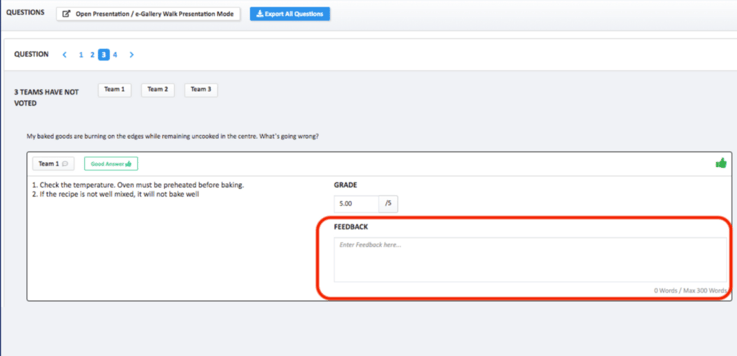
On InteDashboard, instructors also have the ability to provide narrative feedback to teams within the platform. This enhances the feedback loop between instructors and students, fostering a constructive learning environment that promotes growth and deepens understanding.
Intentional TBL Design for Today’s Learners
Designing TBL for Gen Z isn’t about stereotyping; it’s about reducing friction so Gen Z students can learn effectively according to their preferences. Keep pre-work tech-enabled and easy to absorb, structure the workflow to support balanced workload and wellbeing, build routines for collaborative learning and constructive disagreement, and make feedback timely and specific so students can improve fast.
Want a practical companion to implement this? Download the checklist for 4 Ways to Align TBL with Gen Z Learning Preferences below to improve learning outcomes for this generation of learners.